Volume: 5 Issue: 4 December 2025
FULL TEXT
The Danger of Enclosed Spaces: A Case-Based Analysis of Bioethanol Fireplace-Related Burn and Inhalation Injuries
ABSTRACT
Indoor fires in confined spaces, such as enclosed balconies, pose unique clinical challenges due to the rapid accumulation of toxic gases and concentrated thermal energy. This case report examines a 40-year-old father and his 7-year-old son who sustained extensive burns (35% and 46% total body surface area, respectively) following the deflagration of a bioethanol fireplace. The incident, triggered by the use of a “lighter-gel” accelerant, resulted in a 20-minute entrapment that led to severe thermal trauma and suspected inhalation injuries. Although the father remained stable under close monitoring and Parkland-based resuscitation, the pediatric patient experienced rapid airway compromise, requiring emergency intubation within 2 hours of admission. These cases highlight the deceptive “green” marketing of bioethanol units, which often lack essential safety warnings. The findings underscore the critical need for flame arrestors in fuel containers, public awareness regarding the “flash” fire risks of refueling, and the necessity of aggressive early management for burn-induced edema and inhalation trauma in patients who have had injuries from domestic fires.
KEY WORDS: Burn injury, Domestic safety, Enclosed space fire, Inhalation injury, Pediatric trauma
INTRODUCTION
Residential fires represent a significant global safety hazard, with a vast majority occurring within private living areas such as bedrooms and lounges.1 These incidents are frequently triggered by malfunctioning heating equipment or the unsafe handling of flammable liquids.1 Recently, bioethanol-based fireplaces have gained traction as decorative interior elements across Europe and the United States.2 Often marketed as “green,” “vent-free,” and “clean-burning,” these units appeal to consumers because they do not require professional installation, chimneys, or gas connections.2,3 However, despite being portrayed as safe lifestyle additions, they have become a growing source of severe thermal trauma.3,4
The primary cause of bioethanol-related injuries is often a lack of awareness regarding the potential dangers of the fuel.5 Accidents most commonly happen when users attempt to ignite the fireplace or replenish the bioethanol reservoir while a flame is still present or the unit remains hot.4,5 Because bioethanol evaporates quickly and has a low flash point, this fuel can create highly combustible vapor clouds that lead to sudden, explosive “flash” fires.4,6 These events typically cause deep burns to the face and upper extremities, frequently requiring intensive care and complex surgery.3,4 The risk is further magnified when these fires take place in restricted environments, such as enclosed balconies. In such settings, the rapid buildup of toxic gases presents an immediate threat.7 Inhalation injuries in confined spaces are generally classified into 3 types: direct heat damage to the respiratory tract, carbon monoxide (CO) toxicity, and cyanide poisoning.7 Breathing in high levels of CO in a trapped environment can lead to rapid unconsciousness and can be fatal within a very short timeframe.1,7
This case report examines 2 family members who had extensive burn and smoke inhalation due to a bioethanol fireplace fire on an enclosed balcony, underscoring the severe risks these decorative devices pose in modern homes.
CASE REPORT
A father and son, who were spending time on an enclosed balcony with a friend of the father’s, gathered around a bioethanol fireplace to light it with a commercial lighter-gel. The fireplace suddenly flared up, causing an indoor fire and burns to all 3 people. Unable to open the kitchen door immediately, they remained in the enclosed balcony for 20 minutes before being transported by ambulance to 2 different medical centers. The father and son were referred to our burn center 6 hours after the accident.
Case 1
The father was 40-year-old with no significant medical history. He presented to the burn center in moderate-to-poor general condition. He was conscious, cooperative, but in respiratory distress and severe pain. Vital signs on admission included a body temperature of 36.6 °C, tachycardia (120-130 beats/min), tachypnea (30 breaths/min), and an SpO2 of 93% to 96% with 10 L/hour nasal oxygen supply. Physical examination revealed deep second and third-degree burns covering 35% of total body surface area (TBSA). The distribution included diffuse deep partial thickness and full thickness burns to the right forearm and arm (7%), left forearm and arm (7%), right hand (2.5%), left hand (2.5%), and face/scalp (3%) and deep partial thickness burns to anterior trunk (4%), right lower extremity (4%), and left lower extremity (5%) in a splash pattern (Figure 1).
Upon admission to the burn intensive care unit, a thermoregulated environment was prepared, and nasal oxygen therapy was continued. Intravenous access and hemodynamic monitoring were secured via a central venous catheter. Intravenous fluid resuscitation with Ringer lactate solution was started immediately. A urinary catheter was placed for urine output monitoring. Initial fluid resuscitation was titrated according to the Parkland Formula. Because of progressive edema in the upper extremities, Doppler ultrasonography and SpO2 monitoring were used to assess the need for escharotomies. Because of anatomical involvement of the face and upper airways, pulmonology, otolaryngology, and ophthalmology consultations were obtained to rule out inhalation and ocular injuries. The patient was monitored closely for potential emergent intubation. Antioxidant (vitamin C and N-acetylcysteine) and bronchodilator therapies were initiated for suspected lower airway injuries. Computed tomography scan revealed early findings of aspiration in the lower lung zones. Wound management consisted of daily dressing changes and bedside debridement. Swab cultures were routinely collected to monitor for infection. Pain management was tailored to the patient’s clinical requirements.
Case 2
The boy was 7 years old, presenting in poor general condition, although conscious. At presentation, he was maintained on 10 L/hour of oxygen, achieving an oxygen saturation of 99% to 100%. He was hypothermic with a body temperature of 35 °C. Physical examination revealed cold extremities and significant soft, pitting edema in both hands and forearms due to deep burn injuries. The patient sustained deep partial-thickness (2nd degree) and full-thickness (3rd degree) burns covering TBSA of 46%. Body sites affected were the head and neck (4% head, 1% neck), trunk and pelvis (8% anterior trunk, 6% posterior trunk, 0.5% left buttock, 1% right buttock), upper extremities (2.5% right hand, 2.5% left hand, 4% right forearm and arm, 3% left forearm and arm), and lower extremities (4.5% left thigh/leg, 4.5% right thigh, 1% right leg, 1.5% left foot, and 2% right foot) (Figure 2).
He was admitted to the burn intensive care unit with his father. Oxygen support was initiated via nasal cannula. Vital signs were monitored via the inserted central venous catheter. Urine output was monitored via urinary catheter. Initial fluid resuscitation was titrated according to the Cincinnati Formula for pediatric burn trauma. Central venous access was used for both intravenous hydration (Ringer lactate) and hemodynamic monitoring. Because of progressive edema in the face and neck and stridor and intercostal retractions on respiratory system examination, the patient was intubated and mechanical ventilation was initiated 2 hours after admission. Antioxidant (vitamin C and N-acetylcysteine) and bronchodilator therapies were initiated for suspected lower airway injury. Pediatric intensive care, otolaryngology, and ophthalmology consultations were obtained to rule out inhalation and ocular injuries. Both upper extremities were monitored with Doppler ultrasonography and saturation tracking due to progressive edema, which could require escharotomies. Wound care involved daily dressings and bedside debridement, complemented by regular swab cultures for infection monitoring. Pain management was personalized based on clinical assessments.
DISCUSSION
Indoor fires in confined spaces such as balconies pose unique clinical challenges. The confined space leads to the concentration of hot gases and smoke. Direct thermal injury causes rapid upper airway edema, while chemical irritants lead to lower airway damage.7 All patients with flame burns associated with smoke inhalation may have inhalation injury to their upper and lower respiratory systems. The need for close monitoring for case 1 and case 2 was due to this probable injury. Early intubation in case 2 also underscored the speed at which burn edema can compromise the airway. Burn edema, which occurs in major burns, is a result of increased capillary permeability. In pediatric patients (such as case 2), the systemic response is more pronounced because of thinner skin and a higher surface-to-mass ratio, leading to more rapid hypovolemia and hypothermia.6,8 Progressive edema under an inelastic burn eschar (circumferential burns) can lead to limb-threatening ischemia. Continuous saturation tracking and Doppler monitoring are vital to determine the necessity of an escharotomy.9,10
Bioethanol fireplaces, which are commonly used indoors, are often sold without mandatory safety warnings regarding refueling protocols. As seen in this case, the use of accelerants like “lighter-gel” or refueling a warm unit can trigger a “flame-thrower” effect, where the fuel bottle itself may explode or the vapor cloud ignites, causing high-TBSA splash burns.2,4
To prevent such catastrophic domestic accidents, several strategies must be implemented. Refueling safety is one of the most important ones. Manufacturers should implement flame arrestors in fuel containers5 and should alarm the consumers to the danger of the replenishment of bioethanol reservoirs while the flame is active or the unit is hot. Bioethanol devices should never be used in small, enclosed spaces like balconies where CO and toxic gases can accumulate rapidly.7 Pediatric protection is of importance. Because children are at higher risk due to their curiosity and physical vulnerability, keeping lighters and fuel in locked cabinets and maintaining a “no-go zone” around decorative fireplaces is essential.6,8 Safe structural planning should be mandatory, ensuring that doors to fire-prone areas (like balconies or kitchens) are easily operable from both sides to prevent the prolonged entrapment seen in this case.
CONCLUSIONS
Indoor fires should be prevented by individual and nationwide prevention strategies. Bioethanol fireplaces are not merely decorative items but potential explosive hazards. This case highlights that domestic safety relies on both responsible user behavior and awareness of the physiological dangers of indoor fires. Early recognition of inhalation injury and the aggressive management of burn edema are the cornerstones of survival in such severe cases. Public awareness is of importance for prevention of such accidents.
REFERENCES
- Kuti R, Zólyomi G, László G, Hajdu C, Környei L, Hajdu F. Examination of effects of indoor fires on building structures and people. Heliyon. 2022;9(1):e12720. doi:10.1016/j.heliyon.2022.e12720
CrossRef - PubMed - Kraemer R, Knobloch K, Lorenzen J, et al. Severe burn injuries caused by bioethanol-design fireplaces-an overview on recreational fire threats. J Burn Care Res. 2011;32(2):173-177. doi:10.1097/BCR.0b013e31820aade7
CrossRef - PubMed - Tapking C, Willkomm L, Stolle A, et al. Health-related quality of life after burn injury due to bioethanol-fueled fireplaces. Burns. 2024;50(3):685-690. doi:10.1016/j.burns.2023.11.001
CrossRef - PubMed - Neubrech F, Kiefer J, Schmidt VJ, et al. Domestic bioethanol-fireplaces--a new source of severe burn accidents. Burns. 2016;42(1):209-214. doi:10.1016/j.burns.2015.10.004
CrossRef - PubMed - van Zoonen EE, van Eck IC, van Baar ME, Meij-de Vries A, van Schie CHM, van der Vlies CH. Aetiology of bioethanol related burn accidents: a qualitative study. Burns. 2024;50(3):733-741. doi:10.1016/j.burns.2023.12.007
CrossRef - PubMed - Keshavarzi A, Parvar SY, Goodarzian M, et al. Burn injuries in primary school children: a multicenter epidemiological study between 2009 and 2023. Health Sci Rep. 2025;8(4):e70674. doi:10.1002/hsr2.7067437132013000300016
CrossRef - PubMed - Antonio AC, Castro PS, Freire LO. Smoke inhalation injury during enclosed-space fires: an update. J Bras Pneumol. 2013;39(3):373-381. doi:10.1590/S1806-
CrossRef - PubMed - UNICEF. Burns, scalds and fire-related injuries: how to prevent and treat burns and scalds. https://www.unicef.org/parenting/safety/burns-scalds-fire-safety-tips
CrossRef:
PubMed:
- Noorbakhsh SI, Bonar EM, Polinski R, Amin MS. Educational case: burn injury-pathophysiology, classification, and treatment. Acad Pathol. 2021 28;8:23742895211057239. doi:10.1177/23742895211057239
CrossRef - PubMed - Al-Mutairi AM, Labani S, Alasmari MJ, et al. Burn injury characteristics and outcomes among pediatric and adult patients admitted to MNGHA hospitals in Saudi Arabia. Burns Open. 2023;7(4):146-152. doi:10.1016/j.burnso.2023.09.002
CrossRef - PubMed:

Volume : 5
Issue : 4
Pages : 61 - 64
DOI : 10.6002/bcp.2025.0015
From the 1Burn and Fire Disasters Institute, Ankara Burn Center, Baskent University; the 2Department of General Surgery, Faculty of Medicine, Baskent University; the 3Department of Pediatric, Pediatric Intensive Care Unit, Faculty of Medicine, Baskent University; and the 4Department of Plastic and Reconstructive Surgery, Faculty of Medicine, Baskent University, Ankara, Türkiye
ACKNOWLEDGEMENTS: The authors have not received any funding or grants in support of the presented research or for the preparation of this work and have no declarations of potential conflicts of interest.
CORRESPONDING AUTHOR: Ayse Ebru Abali, Burn and Fire Disasters Institute, Ankara Burn Center, and the Department of General Surgery, Baskent University, Ankara, Türkiye
E-mail: aesakallio@gmail.com
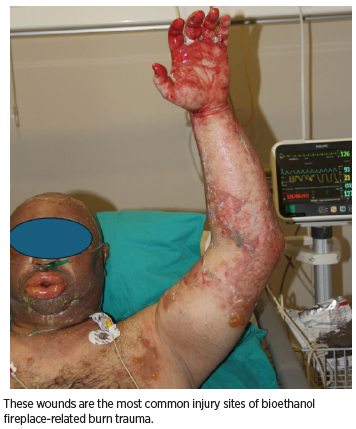
Figure 1 Burn Wounds in Case 1 on Admission Day
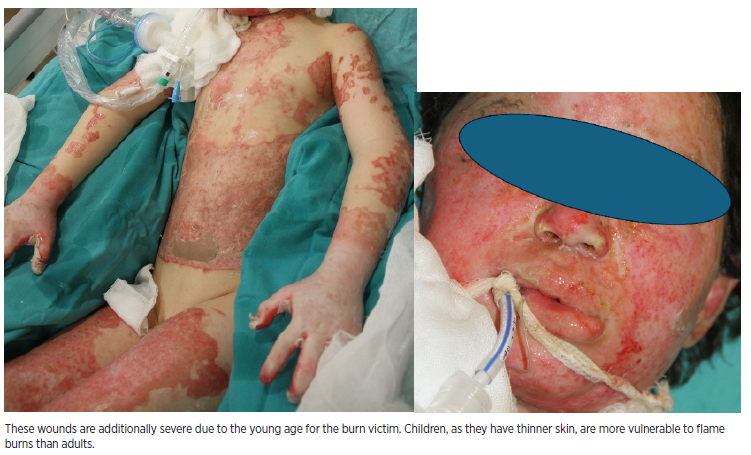
Figure 2 Burn Wounds of Case 2 on Admission Day