Volume: 5 Issue: 3 September 2025
FULL TEXT
Intentional Closed-Space Burn: A Case Report of a 77-Year-Old Male Patient
ABSTRACT
Intentional burns are rare but can cause significant morbidity, especially in elderly patients. We report a 77-year-old male patient who was deliberately set on fire by his brother in a barn and admitted to our burn center while intubated. Physical examination revealed second- and third-degree burns covering 20% of total body surface area. Because of suspected inhalation injury, the patient was closely monitored in the intensive care unit. Wound care and dressings were applied, deep burn areas were debrided, and partial-thickness skin grafting was performed. Other burn areas healed conservatively. This case highlights the importance of a multidisciplinary approach in managing intentional closed-space burns.
KEY WORDS: Elderly patient, Inhalation injury, Intentional burn, Intubation, Multidisciplinary care
INTRODUCTION
Burn injuries are most commonly caused by accidents or natural disasters. However, burns may also result from family conflicts or intentional acts. Elderly individuals are particularly vulnerable because of physiological frailty and comorbidities. Burns occurring in enclosed spaces, such as barns or small rooms, carry high risk of both thermal injury and inhalation damage.
We present an elderly patient with an assault-related, closed-space gasoline flame burn to emphasize early recognition and airway management of inhalation injury, staged wound and reconstructive strategy, and the importance of documentation, safeguarding, and psychiatric support in intentional burns.
CASE REPORT
The patient, a 77-year-old man, had been living in a rural area and engaged in small-scale animal husbandry for several decades. His brother, who owned a nearby property, primarily rented out his house to tourists and had spent limited time onsite with his family. According to the patient, an ongoing disagreement existed between him and his brother regarding the storage and organization of firewood and other farm materials.
On the day of the incident, the patient was performing routine chores in the barn when he noticed that his brother had stacked firewood in a way that obstructed his work area. This led to a verbal argument escalating from previous tensions. Later, the brother reportedly returned after the patient’s spouse had left the house and deliberately poured gasoline over the patient while he was in the barn, then locked the door and left the scene.
The patient managed to escape by breaking the barn door and running approximately 500 meters to a nearby water source to extinguish the flames. Neighbors initially did not hear his calls for help. Emergency medical services were contacted, and the patient was transported to the nearest hospital. Because of concern for inhalation injury, the patient was referred to our clinic; he arrived intubated with suspected inhalation injury and presented with second- and third-degree burn areas on the face, neck, anterior chest wall, and right lower leg (Figure 1).
The patient remained intubated with sedation using fentanyl and propofol infusion. Ventilator parameters were adjusted, antibiotics were administered, and daily wound care was performed. On hospital day 8, ear, nose, and throat and pulmonary consultations were obtained, and the patient was successfully extubated. Deep burn areas were debrided and reconstructed with partial-thickness skin grafts, while other burns healed conservatively (Figure 2).
DISCUSSION
Globally, intentional burns are often associated with family conflict, suicide attempts, or psychosocial stressors. In Turkey, intentional burns have been observed more frequently in rural areas, often related to family disputes and psychosocial issues. Elderly individuals are particularly susceptible because of physical and psychological vulnerabilities.1
Intentional burns are less frequent than accidental burn injuries but are often associated with more complex clinical and psychosocial needs, particularly when the mechanism involves an assault in an enclosed environment.1 Closed-space flame burns pose a dual hazard: intense thermal exposure and concentrated smoke inhalation, which can rapidly compromise the airway and exacerbate systemic inflammatory stress.2 When an accelerant such as gasoline is involved, the burn can progress quickly and may be accompanied by a high burden of toxic combustion products, reinforcing the need for early airway vigilance and intensive monitoring. In such settings, inhalation injury is a key prognostic factor and is consistently associated with increased morbidity and mortality in burn patients.3
Inhalation injury should be suspected in closed-space exposures, especially when facial and/or neck burns are present or when there is evidence of airway irritation (eg, hoarseness, stridor, wheeze, soot in sputum) and respiratory compromise.1 Clinical assessment is often complemented by arterial blood-gas analysis, carboxyhemoglobin measurement when carbon monoxide exposure is suspected, and direct airway visualization where available. Many protocols at burn centers emphasize early identification of patients at high risk for airway edema and recommend close, repeated reassessment because airway findings may evolve during the first hours after injury.3 In our patient, transfer while intubated and subsequent observation in the intensive care unit were aligned with the high-risk mechanism (closed-space exposure) and the initial concern for inhalation injury, and extubation was performed after multidisciplinary reassessment and stabilization.
Age is a major determinant of outcome after burns due to reduced cardiopulmonary reserve, frailty, and impaired wound healing. Even burns with moderate total body surface area may carry substantial risk in older adults.4 Prognostic tools can be helpful to contextualize severity; the Revised Baux score is commonly used for rapid risk stratification in burn practice and research.5 For this case, the Revised Baux score would be 97 without inhalation injury and 114 if inhalation injury is present, supporting the decision for careful monitoring in the intensive care unit given the patient’s age and mechanism of injury.
Wound management in elderly patients benefits from a staged, individualized strategy that balances timely definitive coverage against operative stress. Early debridement and grafting of deep burns can reduce the duration of open wound burden, potentially limiting infection risk and facilitating rehabilitation, whereas superficial-to-partial thickness areas may heal with high-quality conservative care. In this case, deep areas were debrided and reconstructed with split-thickness skin grafting, whereas other burn areas were managed conservatively, reflecting a pragmatic approach aimed at achieving stable coverage while avoiding unnecessary operative morbidity. Because infection, malnutrition, and immobilization can disproportionately impair recovery in older adults, multidisciplinary coordination (burn surgery, critical care, respiratory/ear, nose, and throat assessment, physiotherapy, and nutrition) remains central to optimizing outcomes.3
Beyond clinical management, intentional burns require careful attention to the medico-legal and safeguarding dimension. Accurate documentation of the reported mechanism (including closed-space exposure, suspected accelerant use, and timelines), injury distribution, and clinical findings can support both appropriate treatment decisions and forensic processes.6 Early involvement of relevant institutional pathways (eg, social services, legal reporting as required by local regulations) may be necessary to reduce the risk of recurrent harm and to assist discharge planning.
Psychological sequelae are common after burn trauma and may be amplified when injury results from interpersonal violence. Burn survivors can experience acute stress reactions, depression, anxiety, and posttraumatic stress symptoms, which can interfere with sleep, pain control, participation in rehabilitation, and long-term functional independence.7 For these reasons, psychiatric evaluation and longitudinal psychosocial support should be integrated into the care plan, alongside family/social assessment and referral to appropriate community resources. This is particularly relevant in elderly patients who may face increased dependence, social vulnerability, and reduced coping reserve after a major traumatic event.8
A limitation of assault-related burn case reports is that inhalation injury severity may not always be confirmed with standardized modalities (eg, early bronchoscopy) or uniformly reported across institutions; nonetheless, mechanism-based risk recognition and close monitoring in the intensive care unit remain essential. Overall, this case underscores that intentional closed-space burns in older adults demand an integrated approach: early airway-risk recognition, staged wound coverage, meticulous documentation, and structured psychosocial follow-up.
CONCLUSIONS
Intentional burns in enclosed spaces pose significant morbidity and mortality risks, particularly in elderly patients. Management requires careful evaluation of burn etiology, early recognition of inhalation injury, multidisciplinary care, and provision of psychosocial support to mitigate long-term consequences.
REFERENCES
- Peck MD. Epidemiology of burns throughout the world. Part II: intentional burns in adults. Burns. 2012;38(5):630-637. doi:10.1016/j.burns.2011.12.028
CrossRef - PubMed - El-Helbawy RH, Ghareeb FM. Inhalation injury as a prognostic factor for mortality in burn patients. Ann Burns Fire Disasters. 2011;24(2):82-88.
CrossRef:
PubMed - Foncerrada G, Culnan DM, Capek KD, et al. Inhalation injury in the burned patient. Ann Plast Surg. 2018;80(3 Suppl 2):S98-S105. doi:10.1097/SAP.0000000000001377
CrossRef - PubMed - Kim Y, Kym D, Hur J, et al. Does inhalation injury predict mortality in burns patients or require redefinition? PLoS One. 2017;12(9):e0185195. doi:10.1371/journal.pone.0185195
CrossRef - PubMed - Shah S, Verma R, Mittal RK, Garg R. Better among the two for burn mortality prediction in developing nations: revised Baux or Modified Abbreviated Burn Severity Index? Int J Appl Basic Med Res. 2024;14(1):7-11. doi:10.4103/ijabmr.ijabmr_350_23
CrossRef - PubMed - Berger O, Mendelson M, Talisman R. Burn documentation in emergency department files and its impact on admission or discharge. Burns Open. 2023;7(4):103-106. doi:10.1016/j.burnso.2023.07.002
CrossRef - PubMed:
- Boersma-van Dam E, Shepherd L, Van De Schoot R, Engelhard IM, Van Loey NE. The prevalence of posttraumatic stress disorder symptomatology and diagnosis in burn survivors: a systematic review and meta-analysis. Health Psychol Rev. 2025;19(2):278-304. doi:10.1080/17437199.2024.2423725
CrossRef - PubMed - Merchant M, Hu SB, Miller C, Ahmadi T, Garcia E, Smith MI. Comprehensive management of severe burn injuries: a multidisciplinary approach from resuscitation to rehabilitation. Emerg Care Med. 2025;2(2):26. doi:10.3390/ecm2020026
CrossRef - PubMed:

Volume : 5
Issue : 3
Pages : 46 - 50
From the 1Department of Plastic, Reconstructive and Aesthetic Surgery, Baskent University, Faculty of Medicine; and the 2Department of General Surgery and Burn Unit, Baskent University, Faculty of Medicine, Ankara, Turkey
ACKNOWLEDGEMENTS: The authors have not received any funding or grants in support of the presented research or for the preparation of this work and have no declarations of potential conflicts of interest.
CORRESPONDING AUTHOR: Çağrı A. Uysal, Department of Plastic, Reconstructive and Aesthetic Surgery, Baskent University, Faculty of Medicine, Ankara, Turkey
E-mail: cagriuysal@yahoo.com, drcagriuysal@gmail.com
PHONE: +90 312 212 7393
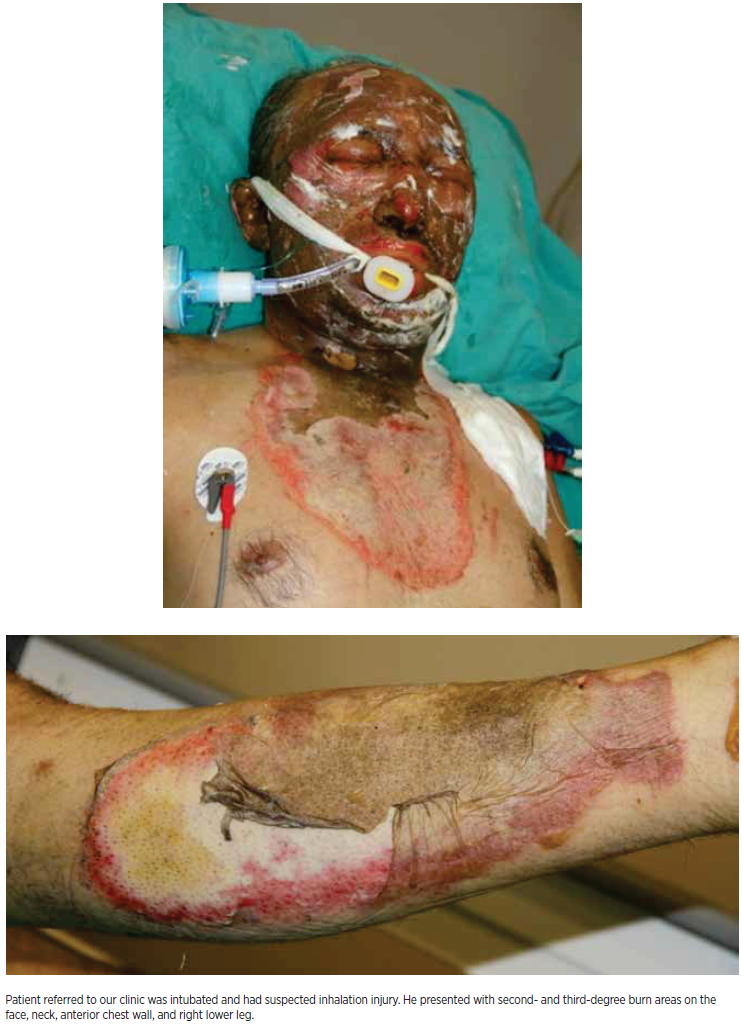
Figure 1 Case Patient Referred to Our Clinic
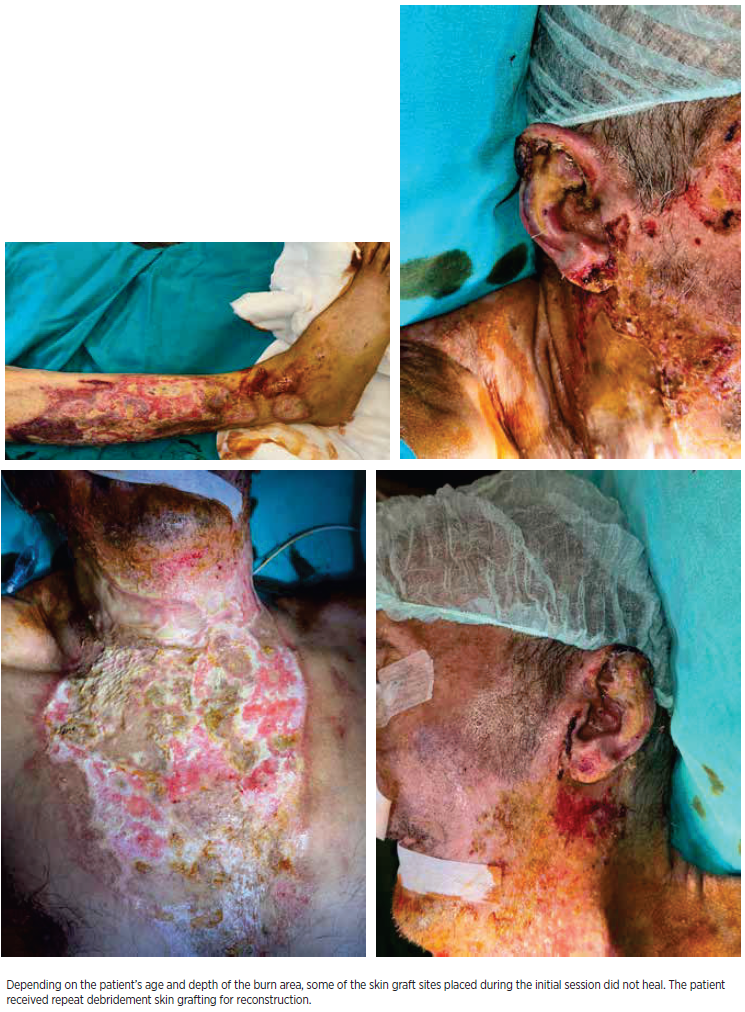
Figure 2 Treatment of Case Patient