Volume: 4 Issue: 2 June 2024
FULL TEXT
Pediatric Burn Cases in Çanakkale Province and Its Hinterland
ABSTRACT
ABSTRACT
OBJECTIVES: Our study aimed to investigate pediatric burn cases in Canakkale, Türkiye, focusing on the demographic and etiological aspects of patients treated at Onsekiz Mart University Hospital. We assessed the incidence of pediatric burns, identified prevalent causes, and analyzed patterns among affected children.
MATERIALS AND METHODS: We reviewed retrospective demographic details, burn parameters, and follow-up information of 26 pediatric patients treated between January 2020 and July 2023. We examined pretreatment and postoperative patient photographs, analyzed data on intentional harm or unintentional negligence, and compared information on our patients with patients in the literature.
RESULTS: Over the 30-month period, 26 pediatric burn patients were treated at the clinic, constituting 38.8% of the total burn cases (n = 67). Scalds (80.8%) and contact burns (19.2%) emerged as the primary causes. Of note, no evidence of abuse was identified among the pediatric patients with burn injuries. The child-to-total pediatric burn patient ratio exceeded expectations.
CONCLUSIONS: Child neglect in Canakkale persists despite the region’s higher socioeconomic status. This study emphasized the need for targeted educational and preventive initiatives, focusing on household safety for young children. Interventions must address neglect as a primary cause of pediatric burns, necessitating comprehensive examinations of all burn patients to identify potential abuse or neglect.
KEY WORDS: Child burns, Pediatric neglect, Preventable burns
INTRODUCTION
In 2022, Canakkale, Türkiye, located in the North Aegean region, had a total population of 560 000, with 120 000 (21.5%) under the age of 18 years. Despite Canakkale being approximately 300 km away from Bursa and Izmir, the city provides health services to Ayvalik, Edremit, Kalkim, Gönen, and Bandirma. In Canakkale, where there is no burn center, the university hospital provides treatment for pediatric patients presenting with <10% extensive burns and special area burns. According to a study from the American Burn Association, between 2013 and 2017, children who were aged less than 16 years represented approximately 26% of all admissions to burn center hospitals. According to a 24-year-long systematic literature review on burn injuries in Europe, the incidence of severe burn cases in children in Türkiye was 1.5 to 2 times higher than the European average of total number of burn patients. In another study that analyzed data of patients with burn injuries over an 8-year period from various provinces throughout Türkiye, 35.8% of burn patients were younger than aged 18 years. In this study, we aimed to examine nonaccidental burns, defined as secondary burns resulting from abuse or neglect, owing to the elevated number of pediatric burn cases within our dataset, and to analyze the demographic and etiological data of pediatric burn patients admitted to Onsekiz Mart University Hospital.
MATERIALS AND METHODS
This study followed the principles of the Declaration of Helsinki. We obtained ethical approval for this study from the Local Clinical Research Ethics Committee. We obtained written informed consent from legal guardians of pediatric patients before the study. We obtained verbal consent from children who were old enough to understand the nature and purpose of the study.
We obtained retrospective data on demographic characteristics (age, sex), burn parameters (type of burn, burn areas, burn degree, and percent total body surface area), and follow-up information of 26 pediatric patients treated in our clinic for burns between January 2020 and July 2023 (Table 1). Sixteen of the patients were under aged 5 years, 7 were between aged 5 and 12 years, and 3 were between aged 12 and 18 years. The most common cause of burn in children under aged 5 years was contact with hot water; as age increased, the frequency of burns from contact with a hot object (often a stove) increased. Burns on patients’ bodies often healed with daily dressings; however, debridement and, if necessary, full-thickness skin grafts were also applied to heal burn wounds, particularly in the hand and foot region.
As examples, Figure 1 shows patient 1 before treatment. Figure 2 shows preoperative and 1-week postoperative photographs of patient 26 with contracture as a common late burn complication, and Figure 3 shows our dressing approach for pediatric patients without the use of a splint (patient 25). Patients who were admitted to the hospital but were referred with a burn percentage above 10% were not included in the study. We compared all photographs with illustrations documented in the literature regarding burn marks and patterns of children who were abused. We analyzed collected data to investigate the presence or absence of indicators suggesting potential instances of child abuse.
RESULTS
Over the 30-month period, 26 pediatric burn patients were treated at the clinic, constituting 38.8% of the total burn cases (n = 67). Interestingly, although children constituted 21.5% of the general population, burn rate in our clinic was almost twice as high as number of children in the general population. When we analyzed data and patient photographs, no evidence of abuse was identified among our pediatric burn patients.
One in 4 of all burn patients at our clinic were toddlers under aged 5 years. Scalds (80.8%) and contact burns (19.2%) were the most common causes of burns among the study group. Burns comprised average total body surface areas of about 4.4%. Male-to-female ratio was 1.17 to 1. Eight patients (30.8%) had burns only on their hands, and 19 patients (73.1%) had burns on their extremities versus isolated burns. The youngest patient in our series was a 5-month-old baby who received a burn from contact with hot water; because of this, it is necessary to discuss the concept of neglect. According to the Child Abuse Report in Türkiye, published in 2010 by the Government of the Republic of Türkiye and UNICEF, 25% of children are neglected by their parents.
When we investigated burn etiologies and details of their occurrence, we found that most burns happened indoors when an adult was nearby the child; 46.2% of children were from a single parent family and 55.2% lived in rural areas, which may suggest adult carelessness or neglect as a cause of burns.
DISCUSSION
According to the World Health Organization, “behaviors performed knowingly or unknowingly by a competent individual that negatively affect a child’s health and physical development” are considered child abuse. This broad definition of an unknowing negative affect may be associated with child abuse. More specific boundaries around when abuse or neglect begins are needed. A UK team created a model to identify and manage children with burns who had been abused. Perhaps the solution lies in the development of management charts and models tailored to distinct geographical regions and sociocultures.
Indicators that strongly suggest intentional burns include deep partial thickness and full-thickness burns, burns on the posterior trunk, and injuries caused by hot tap water. Burns on the buttocks, genitals, and legs, a younger child’s age, and additional injuries like cutaneous injuries/bruises and fractures moderately raise suspicion of intentional harm, whereas burns on the head, neck, anterior trunk, upper extremities, and feet are more commonly associated with accidents. Limited data exist on burns resulting from neglect. The incidence of burn injuries among school-aged children increases during school holidays. This highlights the need for targeted education and prevention campaigns in the periods immediately preceding the school holidays. Lack of supervision is a significant risk factor in childhood burns. Our study had some limitations. First, a prevailing challenge in this field of research is the absence of a definitive standard to differentiate between injuries from abuse and not from abuse. With the exception of an immediate admission of guilt from a parent or caregiver, there exists no absolute discriminator for nonaccidental injuries. Confirmation or ruling out child abuse in a methodically sound manner is necessary. Descriptions detailing how burns were deemed accidental, and thus excluding nonaccidental causes, have been scarce in most studies. Second, quality and quantity of evidence pertaining to burns resulting from neglect are notably poor. Consequently, it seems quite difficult to make a meaningful comparison between these burns and those caused intentionally. Third, no discernible differences were found on sex, age, and the percentage of total body surface area burned. Data on burns resulting from neglect are limited, and existing studies are not exhaustive, highlighting the urgent need for further research. Neglect as a cause of burns demands greater attention. We advocate for a comprehensive examination of every child with burn injuries, as minor burns may go unnoticed, and additional injuries like bruises are significantly associated with intentional burns.
CONCLUSIONS
Despite the higher socioeconomic status of Canakkale and its hinterland, the Southern Marmara and Northern Aegean regions, similar to other areas of Türkiye, child neglect remains an ongoing issue. Initiatives aimed at education and prevention, geared toward raising awareness, should concentrate on household safety for young children, given that many of these preventable burns transpired within domestic environments. We anticipate that the information elucidated in this study, underscoring the significant role of neglect as a preventable cause of pediatric burns, will serve as a valuable enhancement in shaping strategies for these campaigns. Accidents may not be totally avoidable, but burns as a result of negligence can be prevented.
REFERENCES
- Türkiye Population. Çanakkale population. https://www.nufusu.com/il/canakkale-nufusu
CrossRef - PubMed - Kassira W, Namias N. Outpatient management of pediatric burns. J Craniofac Surg. 2008;19(4):1007-1009. doi:10.1097/SCS.0b013e318175f440
CrossRef - PubMed - American Burn Association. Scald Statistics and Data Resources. August 2018. https://ameriburn.org/wp-content/uploads/2018/12/nbaw2019_statsdataresources_120618-1.pdf
CrossRef - PubMed - Brusselaers N, Monstrey S, Vogelaers D, Hoste E, Blot S. Severe burn injury in Europe: a systematic review of the incidence, etiology, morbidity, and mortality. Crit Care. 2010;14(5):R188. doi:10.1186/cc9300
CrossRef - PubMed - Sakallioglu AE, Basaran O, Tarim A, Turk E, Kut A, Haberal M. Burns in Turkish children and adolescents: nine years of experience. Burns. 2007;33(1):46-51. doi:10.1016/j.burns.2006.05.003
CrossRef - PubMed - Kliegman R, Behrman R, Jensen H, Stanton B. Nelson Textbook of Pediatrics. Saunders; 2007.
CrossRef - PubMed - Phillips BM. Principles of pediatric burn injury. In: Pediatric Burns. Cambria Press; 2012.
CrossRef - PubMed - Alexander R, Giardino AP, Esernio-Jenssen D, Thackeray JD, Chadwick D. Child Abuse Pocket Atlas Series. Volume 1: Skin Injuries. STM Learning; 2016.
CrossRef - PubMed - Renz BM, Sherman R. Abusive scald burns in infants and children: a prospective study. Am Surg. 1993;59(5):329-334.
CrossRef - PubMed - Andronicus M, Oates RK, Peat J, Spalding S, Martin H. Non-accidental burns in children. Burns. 1998;24(6):552-558. doi:10.1016/s0305-4179(98)00062-x
CrossRef - PubMed - Nigro LC, Feldman MJ, Foster RL, Pozez AL. A model to improve detection of nonaccidental pediatric burns. AMA J Ethics. 2018;20(1):552-559. doi:10.1001/journalofethics.2018.20.6.org1-1806
CrossRef - PubMed - Loos MH, Almekinders CA, Heymans MW, de Vries A, Bakx R. Incidence and characteristics of non-accidental burns in children: a systematic review. Burns. 2020;46(6):1243-1253. doi:10.1016/j.burns.2020.01.008
CrossRef - PubMed - Tran S, Holland AJA, Bertinetti M. Holiday hazards: burns in children during school holidays. ANZ J Surg. 2021;91(6):1159-1163. doi:10.1111/ans.16746
CrossRef - PubMed - Zeidan NA, Bukhamseen FM, Al-Qassab AT, Alsadah FZ, Menezes RG. Cutaneous mimickers of physical child abuse: a brief overview. Med Leg J. 2023;91(1):26-29. doi:10.1177/00258172211062295
CrossRef - PubMed - Canty KW, DeRidder CA. Burns in children: accidental or inflicted? Adv Pediatr. 2023;70(1):45-57. doi:10.1016/j.yapd.2023.03.004
CrossRef - PubMed - O’Brien SP, Billmire DA. Prevention and management of outpatient pediatric burns. J Craniofac Surg. 2008;19(4):1034-1039. doi:10.1097/SCS.0b013e318177217c
CrossRef - PubMed - Loos MH, Meij-de Vries A, Nagtegaal M, Bakx R; KARIBU group. Child abuse and neglect in paediatric burns: the majority is caused by neglect and thus preventable. Burns. 2022;48(3):688-697. doi:10.1016/j.burns.2021.05.011
CrossRef - PubMed - Greenbaum AR, Donne J, Wilson D, Dunn KW. Intentional burn injury: an evidence-based, clinical and forensic review. Burns. 2004;30(7):628-6242. doi:10.1016/j.burns.2004.03.019
CrossRef - PubMed

Volume : 4
Issue : 2
Pages : 37 - 41
DOI : 10.6002/bcp.2024.0007
From the Canakkale Onsekiz Mart University, Department of Plastic Reconstructive and Aesthetic Surgery, Canakkale, Türkiye
Acknowledgements: The authors have not received any funding or grants in support of the presented research or for the preparation of this work and have no declarations of potential conflicts of interest.
Corresponding author: Mustafa Akyurek, Canakkale Onsekiz Mart University Hospital, Canakkale, Türkiye, 17100
Phone: +90 506 702 23 17 E-mail: drmustafaakyurek@gmail.com
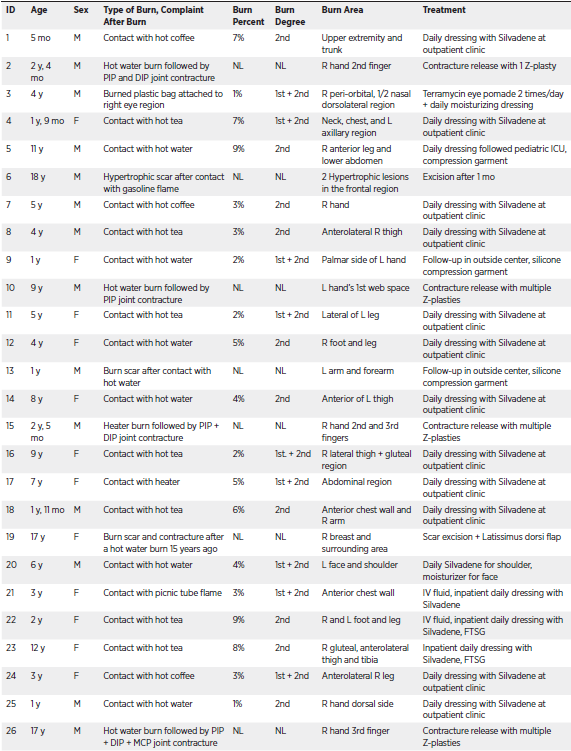
Table 1. Information of 26 Pediatric Patients Treated in Our Clinic for Burns Between January 2020 and July 2023
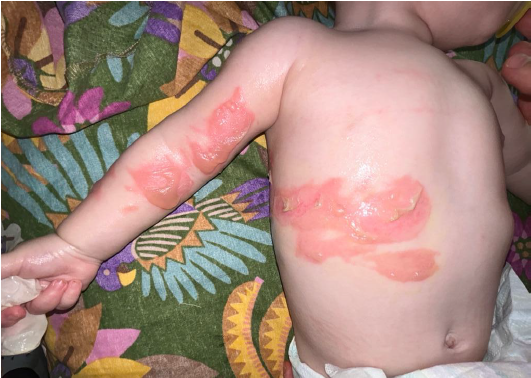
Figure 1. Patient 1 Before Treatment: Burn in 7% Total Body Surface Area
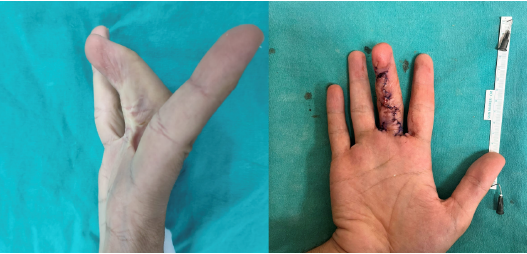
Figure 2. Patient 26: Burn Contracture Treated With Multiple Z-Plasty
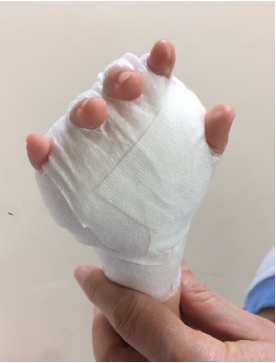
Figure 3. Patient 25: Pediatric Dressing Splint