Volume: 2 Issue: 1 March 2022
FULL TEXT
ABSTRACT
OBJECTIVES: Severe burn victims experience a systemic inflammatory response and a hypermetabolic response that can generate adverse effects on many distant organs and systems. Our aim in this study was to describe the histopathological changes in the pancreatic islets secondary to severe burns in an experimental animal model.
MATERIALS & METHODS: Fourteen Wistar albino rats were randomly divided into 2 groups: the sham group and the burn group. A full-thickness burn model was designed to induce a burn of 25% total body surface area. Seven days after burn induction and sham procedure, pancreatectomy was performed. Pancreatic tissues were examined under light microscopy, and islet size and cellularity were calculated.
RESULTS: The histopathologic examination was unremarkable, but the mean number of islets per pancreatic tissue was lower in the burn group than in the sham group. We observed a significant difference in the mean number of cells per one islet between the 2 groups, with the cell count higher in the burn group (P < .05).
CONCLUSIONS: During the acute phase of burn injury in rats, we observed a decrease in the number of pancreatic islets with remarkable hypercellularity. Further studies are needed to determine the histological and cellular basis of these changes.
KEY WORDS: Beta cells, Hyperglycemia, Hypermetabolism, Major burn, Pancreas
INTRODUCTION
Severe burn victims experience a systemic inflammatory response and a hypermetabolic response that can generate adverse effects on many organs distant from the burn areas. These pathophysiological responses are characterized by hypermetabolism, inflammation, and hypersecretion of catecholamines, glucagon, and cortisol and can cause hyperglycemia.1,2
Hyperglycemia leads to transient or permanent local and systemic alterations that may affect both endocrine and exocrine functions of the pancreas. In previous studies, atypical and apoptotic beta cells have been identified after severe thermal injury.3,4
Patients with acute and prolonged hyperglycemia can have complications leading to impaired wound healing, increased skin graft loss, increased muscle protein catabolism, increased incidence of infections, and mortality.5-10 From this perspective, the alterations in glucose metabolism and the insulin-signaling cascade after a severe burn injury are similar to those observed in patients with type 2 diabetes.11 Presence of hyperglycemia, even with concurrent hyperinsulinism, is indicative of insufficient insulin secretion from beta cells to overcome the glycemia. However, the underlying molecular mechanisms of beta-cell failure in patients with acquired insulin resistance after burn trauma are not clearly understood.12 Acinar cells, the most abundant cell type in the pancreas, may play a role because they are extremely specialized secretory cell types, and the mechanism of how the endocrine pancreas hormone-producing cells can lose or switch their identity under metabolic stress has been shown. Although this response could be partly reversible with adequate glycemic control,13 the impact of severe burns in this process has yet to be clarified.
Hence, we hypothesized that a persistent condition mimicking diabetes mellitus after burn stress may develop in patients who were nondiabetic before the burn trauma but had started organelle stress in the beta cells, which resulted in decreased insulin secretory capacity. The present experimental study aimed to describe the acute macroscopic and microscopic changes of the pancreatic islets secondary to severe burns.
MATERIALS AND METHODS
We obtained 14 male Wistar albino rats weighing 350 to 400 g from the Baskent University Laboratory Animal Breeding Center in Ankara, Turkey. All animals received humane care that followed the guidelines of the National Institutes of Health's Guide for the Care and Use of Laboratory Animals. Rats were kept at the Baskent University Laboratory Animal Center under standardized conditions for light and temperature. All animals were fed standard rat chow and had free access to water. The study was approved by the Baskent University Animal Care and Ethics Committee (DA/2022/10)
Groups
Animals were randomly divided into 2 groups of 7 rats each: the sham group (S group) and the burn group (B group). All animals were anesthetized before procedures were performed.
In the S group, the 7 healthy Wistar albino rats were fed with standard rat chow and water ad libitum the week before the sham procedures were started. Intraperitoneal anesthesia was given before shaving the dorsa of each animal. Lactated Ringer solution (2 mL/100 g) was injected intraperitoneally. Fentanyl hydrochloride was administered, and wound dressings were placed on the shaved area in the lower dorsum. The same standard diet continued under laboratory conditions for 7 days. On day 7, each animal was pancreatectomized and then euthanized.
In the B group, animals were fed standard rat chow and water ad libitum the week before burn injuries were induced. Before induction of burn injury, anesthesia was administered and the dorsa of each animal was shaved. Rats received burn of 25% total body surface area in accordance with a previously described method.13 Resuscitation was accomplished by intraperitoneal injection of Ringer lactate solution (2 mL/100 g), and fentanyl was injected for postprocedural analgesia. Animals were fed with the same nutritional protocol (standard rat chow) until the end of the experimental period. Seven days after the burn was inflicted, burn wounds were excised, pancreatectomies were performed, and animals were euthanized.
Anesthesia and analgesia
The following combination of ketamine and xylazine was freshly prepared on the day of the procedure: 100 mg/kg ketamine hydrochloride (Alfamine 10%; Alfasan Inc) and 10 mg/kg xylazine hydrochloride (Rompun 2%, Bayer Kimya). The combination was administered intraperitoneally to each animal as anesthesia. Fentanyl hydrochloride (0.02 mg/kg) was used for postprocedural analgesia.
Burn model
A burn model was designed to induce uniform and reproducible full-thickness burns based on our previous model.14,15 The animals were anesthetized as previously described, and the 2 dorsal lower quadrants (covering approximately 25% of the total body surface area) were shaved prior to burn injury. A brass plate of 4 cm × 4 cm was heated under the flame of a Bunsen burner, with the temperature monitored using a thermocouple device of a multimeter (Fluke 116 HVAC). To create a full-thickness burn, the brass plate was heated to between 255 °C and 260 °C (the plate lost 5-10 °C before it was applied to the skin) and placed onto the marked areas for 10 seconds. All animals were promptly resuscitated with lactated Ringer solution (2 mL/100 g) intraperitoneally.
For wound dressing, silver sulfadiazine (Silverdin) was applied before the wounds were covered with superior film and adhesive. The animals were returned to the dams where they regained spontaneous movement and righting reflex. The thickness of each lesion was confirmed by histopathologic examination (Figure 1).
Pancreatectomy
Seven days after the sham procedure and the burn infliction, the abdominal area of each animal was shaved, standard aseptic techniques were applied, and anesthesia was administered as previously described. An upper abdominal midline incision was performed, and the peritoneal cavity was opened. The cecum was gently exteriorized, the stomach was raised from the pyloric region, and the spleen and pancreas were exposed. The dissection was performed upward to the spleen, and the entire pancreas was gently separated from the spleen and duodenum with special attention to avoid damage to the spleen, pancreatic tissue, and surrounding vascular structures (Figure 2).
Tissue processing and histopathologic examination using hematoxylin-eosin staining
All pancreatic tissue specimens were fixed in 10% buffered formol, with specimens sampled in such a way that their long axes could be seen after 24 hours of fixation, and then blocked in paraffin. We stained 4-µm-thick sections from each block with hematoxylin-eosin (H&E) and examined sections under a light microscope. Hematoxylin and eosin slides were scanned with the 3DHistech Panoramic P250 Flash III scanner.
Image acquisition and image analysis
Image acquisition and image analysis processes were performed with the ViraPath application (Virasoft Software Inc). After images were captured, the pancreatic islets were marked. The islet areas and the number of cells within the islets were calculated by the application.
Statistical analyses
We performed statistical analyses using SPSS software (Statistical Package for the Social Sciences, version 25.0, SSPS Inc). Results for quantitative variables, the calculated areas of pancreatic tissue, the islets and the numbers of islets, and the islet cells are given as means ± SD. One-way analysis of variance and the Bonferroni correction were used for normal distributions. P < .05 was considered statistically significant.
RESULTS
One of the animals in the B group died on day 3 postburn; macroscopic findings on autopsy were unremarkable, but a severely decreased number of pancreatic islets was observed. This low level of detection may have resulted because the tissue was retrieved after death. No evidence of burn site infection and/or signs of systemic infection were noted in the remaining animals.
Macroscopic observations
Intraoperative findings during laparotomies performed on day 7 of our experiments revealed that the intra-abdominal organs, including the macroscopic structure of pancreas, were similar in both groups. However, the B group showed mild hepatomegaly during exposure of spleen and pancreas. The pancreatic tissue was slightly edematous and fragile, and surrounding vascular structures were prone to bleeding when they were detached from the duodenum.
Microscopic observations
Under light microscopy, we observed no remarkable changes during histopathological examination of pancreatic tissues, including the morphology of islets and islet cells in the B group compared with the sham group (Figure 3).
Islet areas and number of cells within the islets
The mean number of islets per pancreatic tissue was lower in the B group than in the S group. There was a significant difference in the mean number of cells per one islet between the 2 groups, with the cell count higher in the B group (P < .05). However, the mean calculated area of islets showed no significant difference when both groups were compared (P > .05) (Table 1).
DISCUSSION
Major burn injury causes severe alterations in beta-cell mass, which increases and decreases both function and mass to maintain the glycemic level within a very narrow physiological range.16,17 We suggest that our experimental burn model can be applicable to future studies focused on the impact of burn injuries on the morphophysiology of the pancreas.
Recent studies have reported severe damage in the pancreas of severely burned rats under light microscopy using H&E staining.3,4,18 Although our analysis of the pancreatic tissue with H&E staining was unremarkable, the calculation of total islet area and the cellular count per islet could suggest pancreatic adaptation in response to the burn injury.
In the present study, we found significant morphological changes in the pancreatic islets in rats during the acute phase of burn. The most striking finding was the observation that the total number of islets in the pancreas was decreased in the early period after burn but the residual islets revealed significant hypercellularity. It is well known that severe burns that encompass more than 20% of total body surface incur a profound pathophysiological stress response. During the burn trauma, acute hyperadrenergic discharge, which leads to splanchnic vasoconstriction, may cause hypoxic injury to some of the islets. The decrease in the number of islets in the rats at 1 week after burn trauma may be explained by the inadequate blood supply in some of the islets, leading to ischemic injury to cells.
In addition to these findings, the total volume of islets did not differ after burn trauma, and the residual islets in the B group were found to be hypercellular in comparison to the S group. Although we could not clearly determine which cell type in the islets increased in number in our present study, in our view, we suggest that they most probably were beta cells as these cells constitute the most active cells in islets during the metabolic changes after burn trauma. Hypercellularity might have increased the total volume in the burn group, closing the gap with the sham group with regard to volume. Another explanation might be that, although some of the islets were damaged and lost in the burn group, the extracellular volume of these islets, which are especially affected by the hyperadrenergic or ischemic trauma of burn injury, might have been increased. In accordance with this, the pancreas of the rats after burn trauma revealed edema and fragile vascular structures macroscopically. This is because islets are devoid of lymphatic system and are prone to edema and vascular damage under stress conditions affecting the islet vascular system.16 Further studies are needed to determine the histological and cellular basis of these changes.
CONCLUSIONS
Postburn hyperglycemia is an independent risk factor that can cause susceptibility to serious infections, multiorgan failure, and death in critically ill patients. Unfortunately, hyperglycemia and its related complications remain one of the most challenging endocrinological problems in the context of stress response. Therefore, a detailed understanding of the pancreatic changes under different preexisting conditions and therapeutic interventions (such as obesity or patients who have specific diet regimens that influence glucose levels and insulin sensitivity) in the context of a major burn trauma might guide treatment options. Further studies are needed to improve the clinical outcomes of this unique patient population.
It is important to devote efforts to the understanding, prevention, attenuation, and control of transient and permanent effects to the pancreas after burn injuries, not only to improve patient survival rates but also to provide the quality of life for patients after severe burns. Experimental studies are suggested as a way to understand these alterations. Our results revealed that the rat burn model created full-thickness skin burns that triggered pancreatic responses in the acute phase of the injury.
REFERENCES
- Sakallioglu AE, Basaran O, Karakayali H, et al. Interactions of systemic immune response and local wound healing in different burn depths: an experimental study on rats. J Burn Care Res. 2006;27(3):357-366. doi:10.1097/01.BCR.0000216330.93056.06
CrossRef - PubMed - Mizock BA. Alterations in fuel metabolism in critical illness: hyperglycaemia. Best Pract Res Clin Endocrinol Metab. 2001;15(4):533-551. doi:10.1053/beem.2001.0168
CrossRef - PubMed - Li DW, Shen CA, Chai JK, Ma L, Shang YR, Li LZ. [Structural and functional changes in islet beta cells in severely scalded rats]. Zhonghua Shao Shang Za Zhi. 2013;29(4):355-359.
CrossRef - PubMed - Zhao DX, Ma L, Shen ZA, et al. [Influences of exendin-4 on the secretion function of islet beta cells from rats in the early stage of severe scald]. Zhonghua Shao Shang Za Zhi. 2016;32(12):752-758. doi:10.3760/cma.j.issn.1009-2587.2016.12.011
CrossRef - PubMed - Mecott GA, Al-Mousawi AM, Gauglitz GG, Herndon DN, Jeschke MG. The role of hyperglycemia in burned patients: evidence-based studies. Shock. 2010;33(1):5-13. doi:10.1097/SHK.0b013e3181af0494
CrossRef - PubMed - Gauglitz GG, Herndon DN, Jeschke MG. Insulin resistance postburn: underlying mechanisms and current therapeutic strategies. J Burn Care Res. 2008;29(5):683-694. doi:10.1097/BCR.0b013e31818481ce
CrossRef - PubMed - McMurry JF Jr. Wound healing with diabetes mellitus. Better glucose control for better wound healing in diabetes. Surg Clin North Am. 1984;64(4):769-778. doi:10.1016/s0039-6109(16)43393-1
CrossRef - PubMed - Mowlavi A, Andrews K, Milner S, Herndon DN, Heggers JP. The effects of hyperglycemia on skin graft survival in the burn patient. Ann Plast Surg. 2000;45(6):629-632. doi:10.1097/00000637-200045060-00010
CrossRef - PubMed - Gore DC, Chinkes DL, Hart DW, Wolf SE, Herndon DN, Sanford AP. Hyperglycemia exacerbates muscle protein catabolism in burn-injured patients. Crit Care Med. 2002;30(11):2438-2442. doi:10.1097/00003246-200211000-00006
CrossRef - PubMed - Gore DC, Chinkes D, Heggers J, Herndon DN, Wolf SE, Desai M. Association of hyperglycemia with increased mortality after severe burn injury. J Trauma. 2001;51(3):540-544. doi:10.1097/00005373-200109000-00021
CrossRef - PubMed - Cree MG, Wolfe RR. Postburn trauma insulin resistance and fat metabolism. Am J Physiol Endocrinol Metab. 2008;294(1):E1-E9. doi:10.1152/ajpendo.00562.2007
CrossRef - PubMed - Nessa A, Rahman SA, Hussain K. Hyperinsulinemic hypoglycemia - the molecular mechanisms. Front Endocrinol (Lausanne). 2016;7:29. doi:10.3389/fendo.2016.00029
CrossRef - PubMed - Swisa A, Glaser B, Dor Y. Metabolic stress and compromised identity of pancreatic beta cells. Front Genet. 2017;8:21. doi:10.3389/fgene.2017.00021
CrossRef - PubMed - Abali AE, Cabioglu T, Ozdemir H, Haberal M. Interactive effects of acupuncture on pain and distress in major burns: an experiment with rats. Burns. 2015;41(4):833-842. doi:10.1016/j.burns.2014.10.028
CrossRef - PubMed - Abali AE, Karakayali H, Ozdemir BH, Bayraktar N, Abbas OL, Haberal M. Destructive pulmonary effects of smoke inhalation and simultaneous alterations in circulating IL-6, TNF-α, and IFN-γ levels at different burn depths: an experimental study on rats. J Burn Care Res. 2013;34(3):334-341. doi:10.1097/BCR.0b013e3182644e9b
CrossRef - PubMed - Cerf ME. Beta cell dysfunction and insulin resistance. Front Endocrinol (Lausanne). 2013;4:37. doi:10.3389/fendo.2013.00037
CrossRef - PubMed - Chen C, Cohrs CM, Stertmann J, Bozsak R, Speier S. Human beta cell mass and function in diabetes: recent advances in knowledge and technologies to understand disease pathogenesis. Mol Metab. 2017;6(9):943-957. doi:10.1016/j.molmet.2017.06.019
CrossRef - PubMed - Li D, Shang Y, Shen C, et al. Effects of exendin-4 on pancreatic islets function in treating hyperglycemia post severe scald injury in rats. J Trauma Acute Care Surg. 2018;85(6):1072-1080. doi:10.1097/TA.0000000000002066
CrossRef - PubMed

Volume : 2
Issue : 1
Pages : 23 - 28
From the 1Burn Center and Burn and Fire Disasters Institute, the 2Department of General Surgery, Faculty of Medicine, the 3Department of Pathology, and the 4Department of Endocrinology and Metabolism, Baskent University, Ankara, Turkey; and the 5Benaim Burn Foundation, Research Department, Buenos Aires, Argentina
Acknowledgements: The authors have not received any funding or grants in support of the presented research or for the preparation of this work and have no declarations of potential conflicts of interest.
Corresponding author: Santiago J. Santelis, Burn and Fire Disasters Institute (International Fellow), Faculty of Medicine, Baskent University, Ankara, Turkey, 06490 Çankaya/Ankara, Turkey
Phone: +90 312 212 7393; +1 407 923 5648
E-mail: sjsantelis@gmail.com
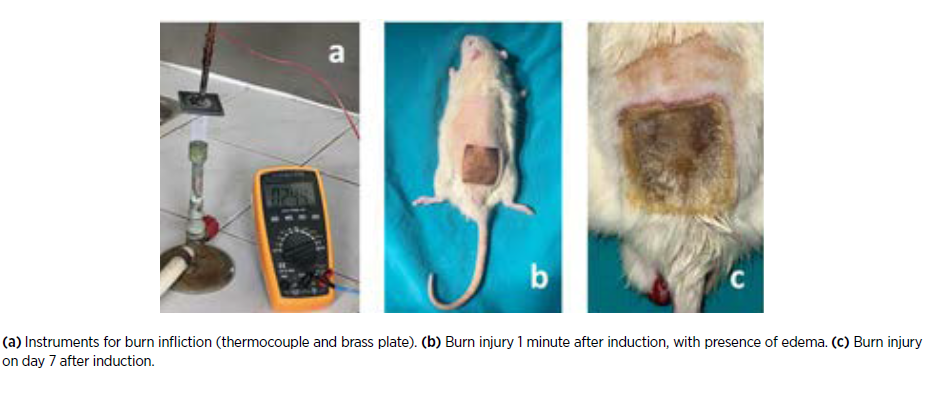
Figure 1. Materials Used and Macroscopic Evolution Observed in the Rat Experimental Burn Model
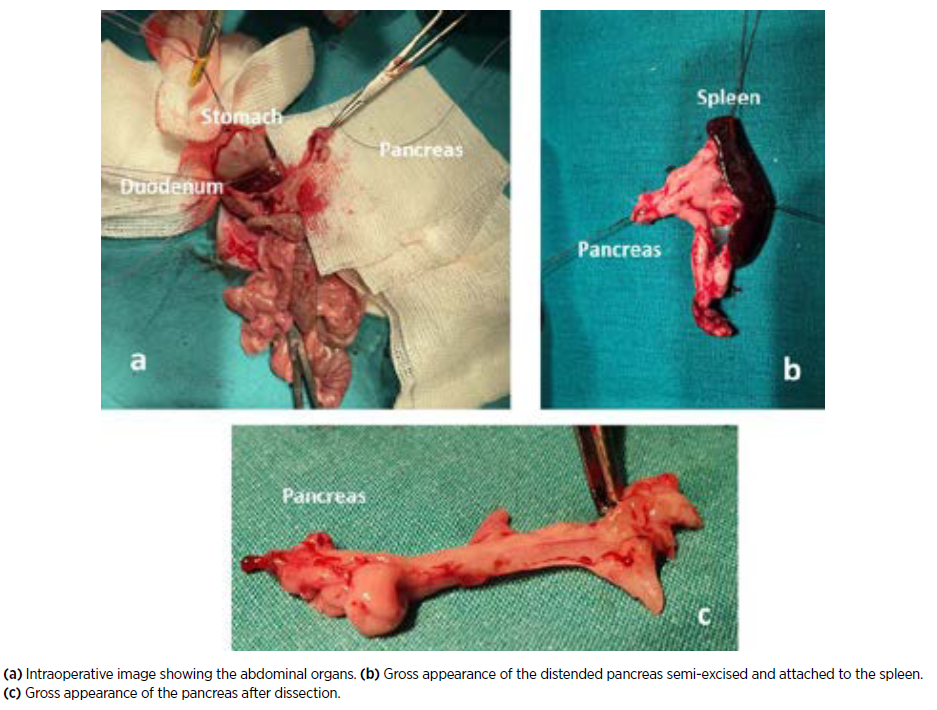
Figure 2. Intraoperative Findings During Pancreatectomy
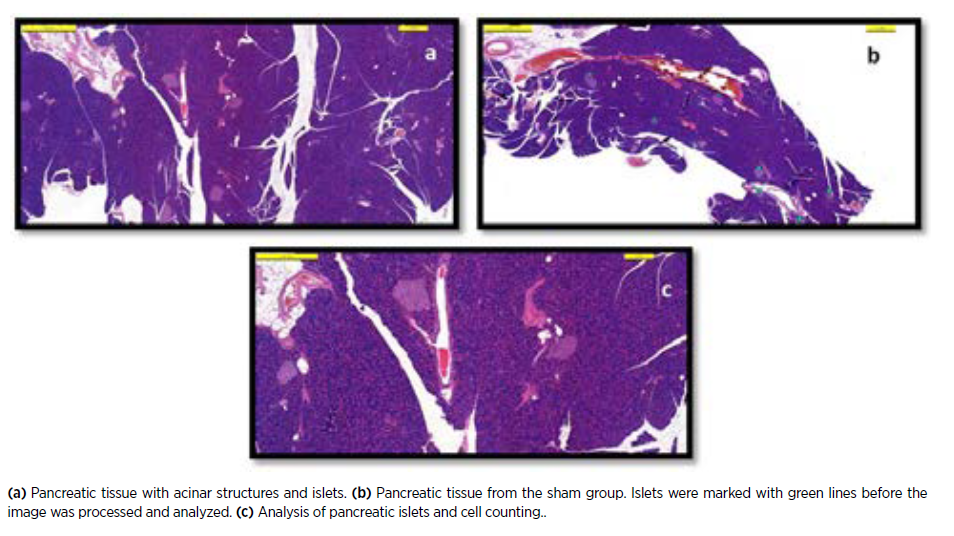
Figure 3. Photomicrographs Showing Pancreatic Tissue in Adult Wistar Albino Rat
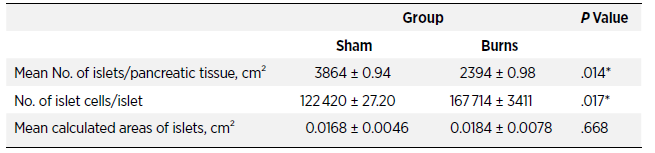
Table 1. Quantitative Assessment of Pancreatic Islets: Quantity of Islets, Density of Beta Cells in Islets, and Islet Size